
Share This Article
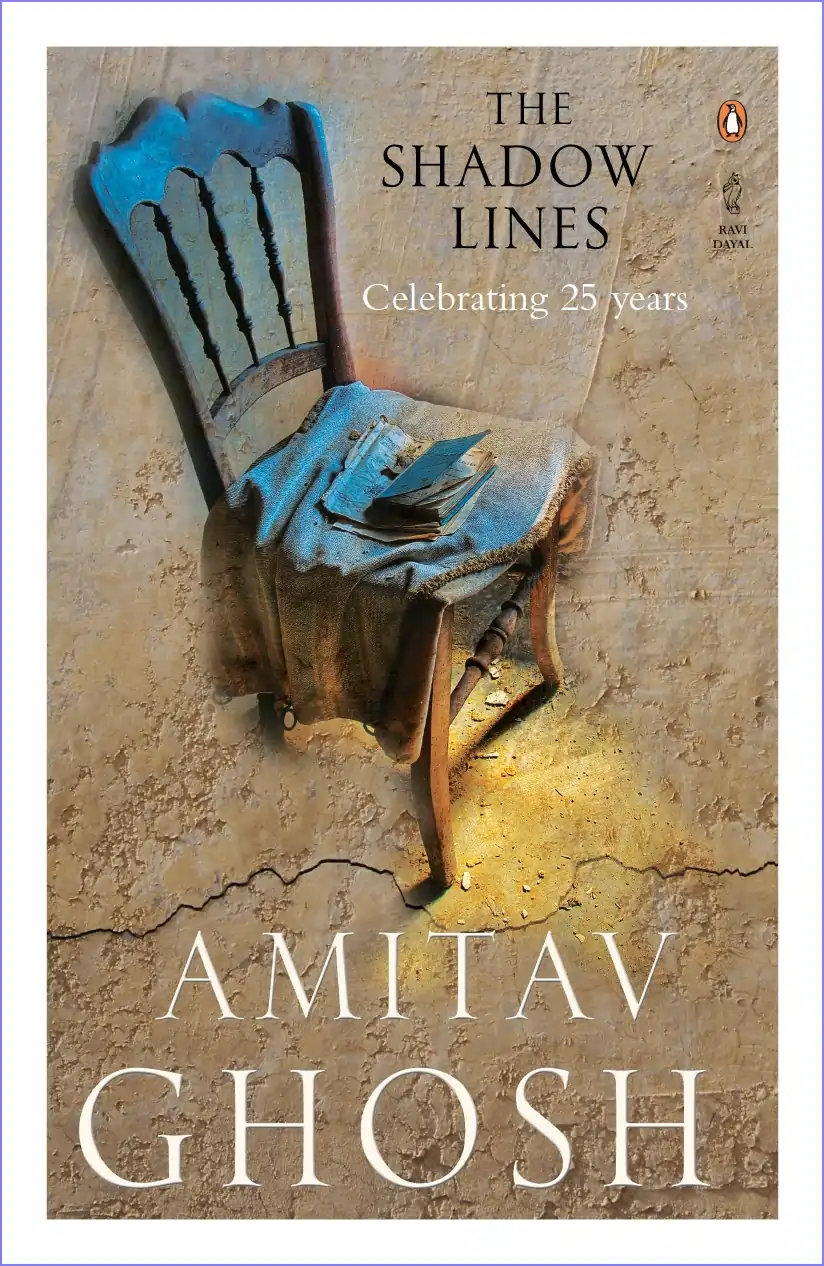
Book Review: Shadow Lines
Author: Amitav Ghosh

Rating: 4.3/5
Overview:
Amitav Ghosh’s Shadow Lines, published in 1988, is a deeply reflective novel about memory, borders, and the interconnectedness of personal and political histories. The story is told through an unnamed narrator and moves between the cities of Calcutta, London, and Dhaka, blurring the boundaries of geography and time.
Ghosh’s prose is intricate and layered, weaving together personal family tales with historical events like the Partition and communal riots. The novel questions the very idea of borders and identities, exploring how these constructs shape lives in complex and often painful ways. Through its fragmented narrative, it examines the deep emotional and psychological effects of political and historical upheavals.
While Shadow Lines is not an easy read, its intellectual richness is deeply rewarding. The novel’s demanding narrative structure and its philosophical depth make it more suitable for readers who enjoy engaging with complex ideas. Some may find its style inaccessible, but for those who persevere, it offers profound insights into the ways memory and history intertwine and affect human lives.
Strengths:
- Richly Layered Narrative: Ghosh’s writing blends personal stories with historical events, offering a nuanced and complex exploration of identity and memory.
- Profound Insights: The novel questions the notion of borders, identity, and history, providing thought-provoking commentary on the effects of political and historical change.
Weaknesses:
- Dense Style: The novel’s intricate prose and narrative structure may feel inaccessible to casual readers, requiring a more patient and engaged reading experience.
Verdict:
Shadow Lines is a powerful novel for readers who appreciate depth and philosophical exploration. Its complex narrative and profound reflections on memory, borders, and identity make it a rewarding but challenging read for those who enjoy intellectual fiction.
Buy the Book:
You can purchase Shadow Lines by Amitav Ghosh from Amazon:
Frequently Asked Questions (FAQ)
1. What is the central theme of *Shadow Lines*?
The central theme of *Shadow Lines* is the exploration of memory, borders, and the interconnectedness of personal and political histories. The novel examines how identities are shaped by both personal experiences and historical events such as the Partition and communal riots.
2. How does Amitav Ghosh explore the concept of borders in the novel?
Ghosh uses the narrative to question the very idea of borders, whether they are geographical, political, or personal. The novel suggests that borders are often arbitrary constructs that divide and shape people’s lives in ways that are both complex and destructive.
3. Is *Shadow Lines* a historical novel?
While *Shadow Lines* incorporates significant historical events, such as the Partition and communal riots, it is not strictly a historical novel. Instead, it blends personal and family narratives with historical moments, exploring how history impacts individual lives and memories.
4. Is *Shadow Lines* easy to read?
No, *Shadow Lines* is not an easy read. Its intricate prose, fragmented narrative, and intellectual depth may make it challenging for some readers. However, it is deeply rewarding for those who appreciate complex and thought-provoking fiction.
5. Who would enjoy reading *Shadow Lines*?
Readers who enjoy novels that explore identity, memory, and history in a philosophical and intellectual way will appreciate *Shadow Lines*. The novel is ideal for those who are interested in the effects of political upheavals on personal lives and enjoy literary fiction that engages with complex ideas.