
Share This Article
Introduction to Chetan Bhagat
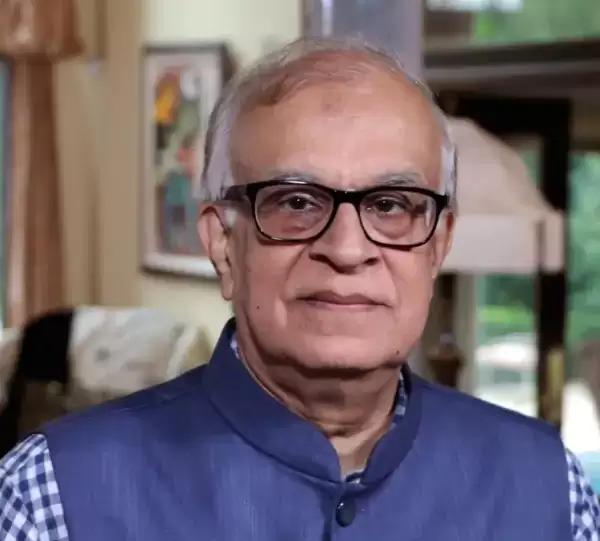
Chetan Bhagat is one of India’s most widely read contemporary authors, often hailed as the voice of the Indian middle class. Known for his simple and relatable style, his novels have sold millions of copies and been adapted into blockbuster Bollywood films. With themes of love, youth aspirations, cultural conflicts, and ambition, Bhagat has played a pivotal role in making English-language fiction accessible to the masses in India.
Early Life and Education
Childhood in New Delhi
Born in 1974 in New Delhi, Bhagat grew up in a middle-class family that valued education and ambition. His upbringing in a rapidly modernizing India provided the foundation for the relatable characters in his novels.
IIT Delhi and Mechanical Engineering
Bhagat pursued Mechanical Engineering at the Indian Institute of Technology (IIT) Delhi, an experience that later inspired his debut novel Five Point Someone.
MBA at IIM Ahmedabad
He then studied Management at the Indian Institute of Management (IIM) Ahmedabad, one of India’s most prestigious business schools. His years at IIM shaped his worldview and were later fictionalized in 2 States.
Career Before Writing
Investment Banking Career
Before entering the literary world, Bhagat worked as an investment banker in Hong Kong. Despite financial success, his passion for storytelling eventually pulled him toward writing.
Transition to Full-Time Writing
In the mid-2000s, after his novels became bestsellers, Bhagat left his corporate career to focus entirely on writing and media engagements.
The Writing Journey
Breakthrough with Five Point Someone
Published in 2004, Five Point Someone was Bhagat’s debut novel, offering a humorous and critical look at the IIT education system.
Adaptation into 3 Idiots
The book was loosely adapted into the Bollywood hit 3 Idiots (2009), which became one of India’s highest-grossing films.
One Night @ the Call Center and its Film Version
His second novel, One Night @ the Call Center (2005), highlighted the struggles of call center employees. It was adapted into the film Hello (2008).
The 3 Mistakes of My Life and Youth Appeal
The 3 Mistakes of My Life (2008) tackled themes of friendship, cricket, business, and politics. Its film adaptation, Kai Po Che! (2013), was critically acclaimed.
2 States and Inter-Cultural Romance
Based on Bhagat’s own marriage, 2 States (2009) explored cultural differences in Indian society. The film version, 2 States (2014), was a commercial success.
Later Works: Revolution 2020 and One Indian Girl
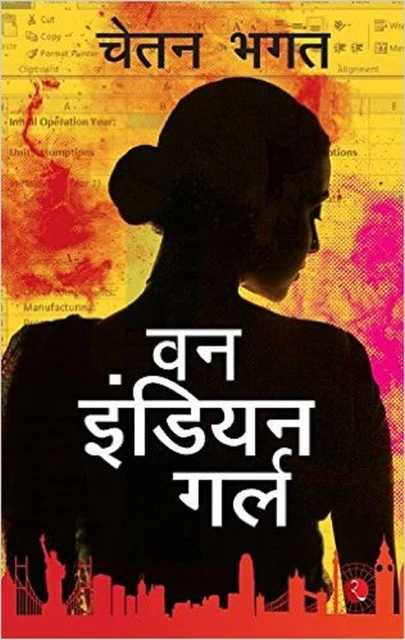
With Revolution 2020 (2011), Bhagat delved into corruption, ambition, and love. One Indian Girl (2016) presented a female perspective, sparking debates on gender roles in Indian society.
Complete List of Notable Works
Novels
- Five Point Someone (2004)
- One Night @ the Call Center (2005)
- The 3 Mistakes of My Life (2008)
- 2 States (2009)
- Revolution 2020 (2011)
- Half Girlfriend (2014)
- One Indian Girl (2016)
- 400 Days (2021)
Non-Fiction and Columns
Bhagat also writes motivational non-fiction and newspaper columns, addressing politics, youth, and social change.
Writing Style and Themes
Simple, Conversational Prose
Bhagat’s hallmark is his simple and conversational style, which resonates with readers across age groups.
Humor, Love, and Middle-Class Aspirations
His novels highlight the dilemmas of India’s middle class, blending humor, drama, and emotional depth.
Bollywood Adaptations and Wider Reach
Many of his books have been adapted into films, amplifying his cultural influence beyond literature.
Achievements and Recognition
Society Young Achiever Award (2000)
Bhagat received the award for his early achievements in literature and career.
Featured in Time Magazine’s 100 Most Influential People
In 2010, Time magazine named him among the 100 most influential people in the world.
Publisher’s Recognition by The New York Times
The New York Times listed him as the biggest selling English-language novelist in India.
Life Beyond Writing
Public Speaking and Motivational Talks
Bhagat is a popular motivational speaker, often addressing youth on career, love, and life choices.
Media Presence and Social Commentary
He contributes columns to newspapers and appears on television, engaging in debates about politics, culture, and education.
Impact on Indian Literature and Youth
Making English Novels Accessible
Bhagat’s greatest contribution is bringing English fiction to the masses, especially first-time readers.
Influence on Popular Culture
Through relatable characters and film adaptations, he has influenced modern Indian storytelling across platforms.
Quotes and Writing Philosophy
On Simplicity and Connecting with Readers
Bhagat often emphasizes the importance of accessibility in writing:
“Don’t just write what you want to say. Write what your readers want to hear, in the language they understand.”
Legacy and Cultural Significance
Inspiring a New Generation of Writers
Bhagat’s success has inspired many young Indians to pursue writing, breaking away from the idea that literature must be “elitist.”
Shaping Modern Indian Storytelling
By blending literature with Bollywood, Bhagat has redefined how stories reach and impact Indian audiences.
Frequently Asked Questions (FAQs)
Q1: What is Chetan Bhagat most famous for?
He is best known for bestselling novels like Five Point Someone, 2 States, and One Indian Girl.
Q2: How many books has he written?
He has written multiple novels and non-fiction works, with over 10 published books to date.
Q3: Which films are based on his novels?
Movies like 3 Idiots, Kai Po Che!, 2 States, Hello, and Half Girlfriend are based on his works.
Q4: What themes does Bhagat explore?
His books focus on love, ambition, youth struggles, cultural conflicts, and middle-class dreams.
Q5: Has he received international recognition?
Yes, Time magazine listed him among the 100 most influential people in the world in 2010.
Q6: Is Chetan Bhagat also a motivational speaker?
Yes, besides writing, Bhagat regularly delivers motivational talks and contributes to newspapers.
Conclusion
Chetan Bhagat has redefined popular fiction in India by making it simple, relatable, and widely accessible. With bestselling novels, film adaptations, and motivational talks, he has inspired millions of readers. His contribution lies not just in storytelling but also in shaping India’s youth culture and bridging the gap between literature and mainstream entertainment.