
Share This Article
Introduction
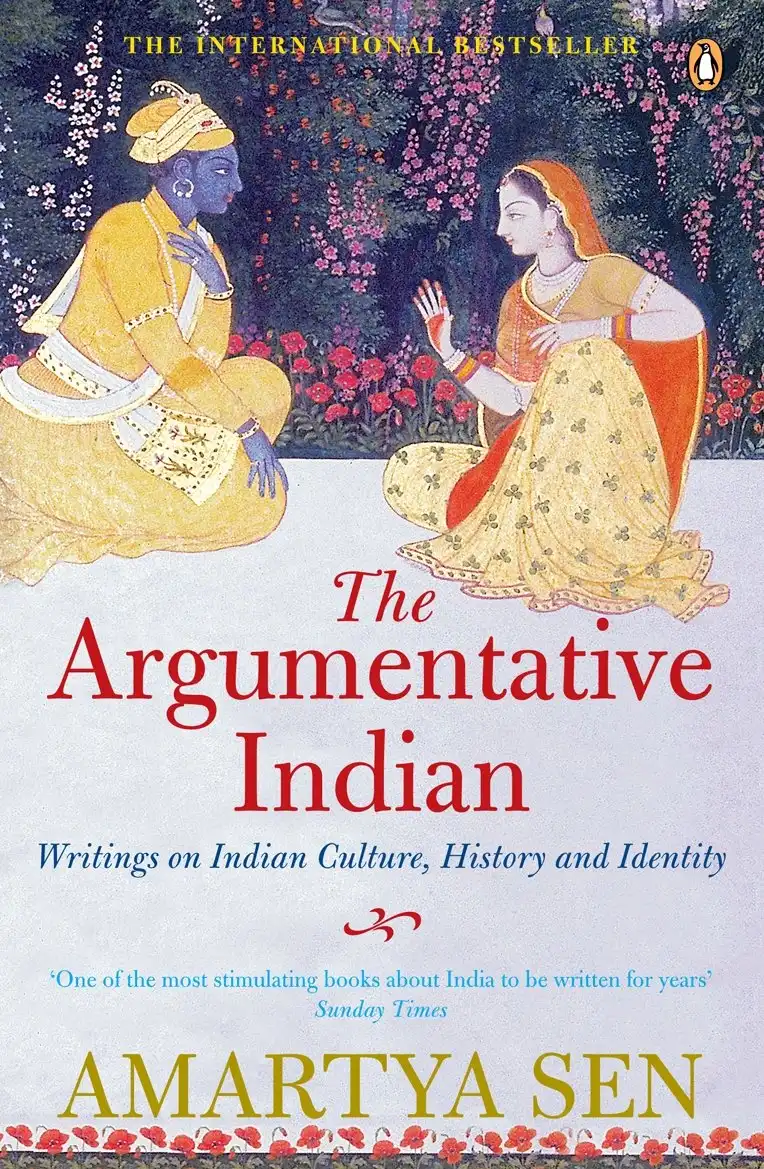
Published in 2005, The Argumentative Indian by Nobel laureate Amartya Sen is a thought-provoking collection of essays that delve deep into India’s intellectual and cultural history. Sen, a renowned economist and philosopher, uses this book to explore the rich tradition of debate, reasoning, and pluralism that has shaped India’s identity over the centuries. Drawing on history, philosophy, and economics, Sen highlights key figures such as Ashoka, Akbar, and Rabindranath Tagore, and traces the evolution of India’s tradition of intellectual engagement. This book is a profound meditation on the nation’s pluralistic values, offering readers an insightful look at how India’s diverse heritage has influenced its modern-day identity.
Exploring India’s Tradition of Debate and Reasoning
At the heart of The Argumentative Indian is the idea that India has long had a tradition of open debate and intellectual pluralism. Sen contends that the country’s culture of argumentation—far from being a source of division—has been integral to its social and political fabric. From ancient philosophers like Buddha and the authors of the Upanishads to modern thinkers like Mahatma Gandhi and B.R. Ambedkar, India has nurtured a culture that embraces critical thinking, discussion, and a wide range of viewpoints.
Sen emphasizes that India’s intellectual traditions have been defined not by consensus or uniformity, but by disagreement and dissent. This ability to argue, reason, and debate openly, Sen argues, is a vital part of India’s identity and has played a crucial role in shaping its democratic ethos.
The book is organized around several key essays that explore different aspects of Indian history, philosophy, and identity. In one essay, Sen examines the role of public reasoning in India’s democratic system, stressing the importance of debate in sustaining a healthy democracy. He also discusses the contributions of historical figures such as Ashoka, who promoted the values of non-violence and pluralism, and Akbar, whose reign exemplified religious tolerance.
Philosophical and Historical Insights
One of the key strengths of The Argumentative Indian is its ability to merge philosophical inquiry with historical context. Sen draws on the works of ancient philosophers as well as modern intellectuals to highlight India’s long-standing commitment to rational discourse and inclusivity. The essays are rich with references to the intellectual achievements of India’s past, making it a valuable resource for those interested in the country’s philosophical legacy.
Sen also weaves in discussions on modern issues, such as the challenges to India’s pluralism and the rise of religious fundamentalism. By reflecting on the lessons of history, Sen argues that India’s strength lies in its diversity and the willingness to engage in open dialogue. In this context, the book can be seen as a call to preserve the country’s democratic values in the face of contemporary challenges.
Strengths of the Book
- Rich Historical and Philosophical Insights: Sen’s deep understanding of India’s intellectual traditions is evident throughout the book. He explores a wide range of historical figures and intellectual movements, shedding light on the philosophical foundations that have shaped Indian society.
- Intellectual Depth: The book is densely packed with ideas and references to various works of history, philosophy, and economics. Sen’s ability to link these diverse fields makes The Argumentative Indian a treasure trove of intellectual thought.
- Cultural Relevance: In an era where India’s pluralistic traditions are increasingly under scrutiny, Sen’s reflections on the importance of debate and diversity are more relevant than ever. His argument that India’s strength lies in its diversity and willingness to engage in open discourse is both timely and essential.
- Accessible to Intellectual Readers: While the book is dense in places, Sen’s writing is generally accessible to readers who are interested in deep intellectual explorations. His clear explanations and examples help bring complex ideas to life.
Weaknesses of the Book
- Academic and Dense: One of the main drawbacks of The Argumentative Indian is its academic tone. The essays, while rich in intellectual content, can be heavy for casual readers. The book’s reliance on historical and philosophical references may alienate those looking for a more straightforward or narrative-driven account.
- Challenging for Casual Readers: Given its academic nature, the book may not appeal to those who prefer lighter or more accessible reading. The depth of analysis, while valuable, can be overwhelming for readers without a background in history, philosophy, or political science.
Verdict: A Profound Meditation on India’s Pluralist Tradition
The Argumentative Indian is an insightful and intellectually rigorous examination of India’s pluralist tradition. Through a series of essays, Amartya Sen highlights the country’s long-standing commitment to debate, reasoning, and intellectual diversity. By connecting India’s historical roots to its modern identity, Sen argues for the continued importance of inclusivity and open discourse in shaping the nation’s future.
While the book may be dense for some readers, its rich philosophical and historical insights make it an invaluable read for those interested in the intellectual history of India. Sen’s ability to seamlessly weave together different strands of thought—from ancient philosophy to modern political theory—makes this book a thought-provoking exploration of India’s identity and its democratic traditions.
Rating: 4.4/5
Strength: Rich with historical and philosophical insights.
Weakness: Can be academic and heavy for casual readers.
For more details and to purchase the book, visit The Argumentative Indian on Amazon.