
Share This Article
Introduction
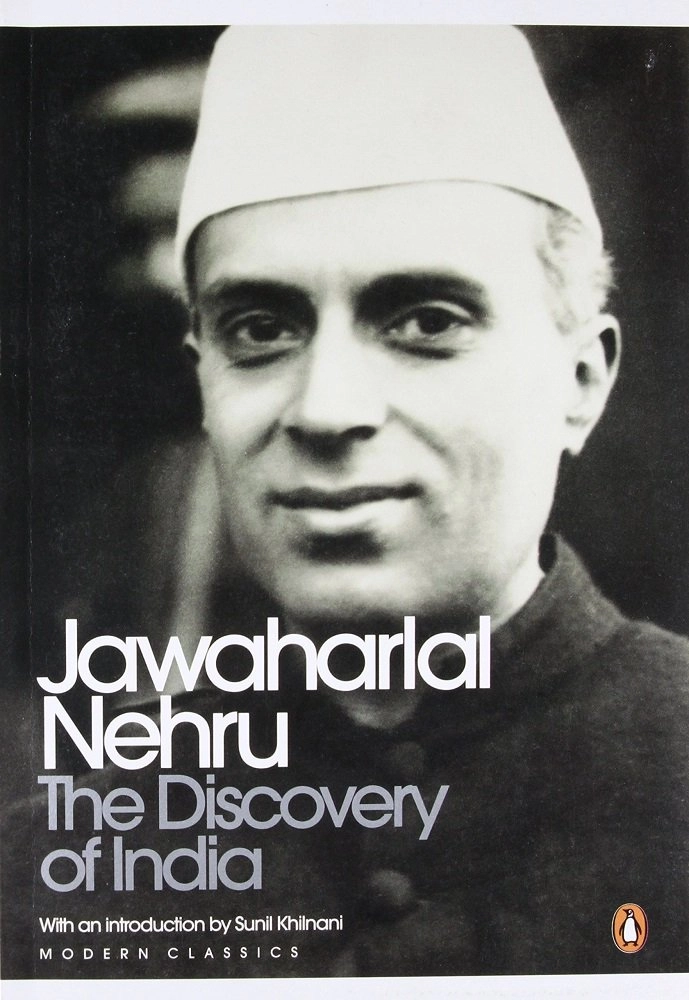
Written during his imprisonment in 1942, The Discovery of India by Jawaharlal Nehru is one of the most significant works on India’s history and culture. In this sweeping narrative, Nehru blends history, philosophy, and personal reflection to offer a comprehensive and deeply personal exploration of India’s past—from its ancient civilization to its colonial experience. The book is not merely an account of India’s history but a philosophical meditation on the nature of Indian identity, its cultural diversity, and its resilience in the face of foreign domination. Nehru’s lyrical prose and idealistic vision of India make this work a landmark in Indian literature and history.
A Personal and Philosophical Exploration of India’s History
The Discovery of India is both an intellectual and emotional journey through India’s past. Nehru, deeply influenced by his own experiences, seeks to capture the essence of Indian civilization, presenting a grand vision of the nation’s cultural heritage. He begins by discussing the ancient roots of Indian civilization, tracing its growth and evolution over the centuries, before turning his attention to the colonial period and India’s struggle for independence.
Nehru’s prose is elegant and often idealistic. He presents India’s cultural and philosophical traditions—such as Hinduism, Buddhism, and Jainism—with deep admiration. He explores the contributions of various dynasties, empires, and historical figures to the development of Indian society. Nehru also addresses the complexities of India’s diverse traditions, languages, and religions, emphasizing how they all contributed to the rich tapestry of Indian civilization.
One of the most compelling aspects of the book is Nehru’s personal reflections. Written during a time of political struggle, his thoughts on India’s future as an independent nation are infused with hope, determination, and a deep sense of responsibility. His idealism shines through as he reflects on the need for India to unite as a modern, secular, and democratic state.
Historical and Literary Significance
Nehru’s historical vision is sweeping, covering everything from India’s early history and philosophy to its colonial experiences and the emergence of the independence movement. He delves into the contributions of figures such as Ashoka, Akbar, and Gandhi, highlighting their roles in shaping India’s ethos. The book also discusses the impact of foreign invasions, colonialism, and the British rule on the Indian psyche.
While Nehru’s admiration for India’s past is evident throughout the book, The Discovery of India also serves as a call to action for the future of the nation. Nehru envisions a modern India that draws strength from its diverse traditions while embracing the values of democracy and secularism. His vision for a united, progressive India was foundational in shaping the intellectual discourse of the post-independence era.
The book’s literary significance is immense, as it remains one of the most celebrated works in Indian literature. Nehru’s ability to combine history with philosophy, politics, and personal reflection sets the book apart as a unique and deeply engaging narrative. His writing remains powerful and evocative, and it continues to resonate with readers today.
Strengths of the Book
- Lyrical Prose: Nehru’s prose is elegant and evocative, weaving historical facts with philosophical musings in a way that is both informative and deeply personal. His writing style has made The Discovery of India a beloved text for many readers who appreciate its literary beauty.
- Sweeping Historical Vision: The book covers a wide range of topics, from ancient Indian history to the colonial period and the rise of nationalism. Nehru’s comprehensive vision provides readers with a deep understanding of India’s cultural, social, and political evolution.
- Deeply Personal: Nehru’s personal reflections on India’s past and future provide a unique lens through which readers can understand his vision for an independent and modern India. The book captures his hopes for the country’s future while acknowledging the challenges it faced.
- Cultural Resilience: The book celebrates India’s remarkable cultural resilience in the face of centuries of foreign invasions and colonial rule. Nehru highlights the country’s ability to preserve its traditions, philosophies, and spiritual values despite external pressures.
Weaknesses of the Book
- Romanticized Narrative: One of the criticisms of The Discovery of India is its romanticized portrayal of India’s past. Nehru’s idealized view of India’s history can sometimes feel overly optimistic and lacking in critical analysis. His narrative does not always address the darker aspects of Indian history, such as social hierarchies, caste systems, and other forms of inequality.
- Lack of Critical Balance: Nehru’s strong sense of nationalism and idealism may leave some readers feeling that the book is somewhat unbalanced. His reverence for India’s past sometimes overshadows a more nuanced discussion of its complexities. Some readers may wish for a more critical approach to the historical and social issues that shaped the nation.
- Age of the Text: As the book was written in 1942, some of the historical perspectives may feel outdated to modern readers. While its literary and historical value remains significant, certain parts of the book may no longer resonate with contemporary audiences, especially in light of recent developments in Indian history and society.
Verdict: A Classic That Shaped India’s Intellectual Foundation
The Discovery of India is a classic work that continues to shape the intellectual foundation of modern India. Nehru’s lyrical prose, sweeping historical vision, and personal reflections have made this book an enduring and influential text. Despite its romanticized narrative, the book remains a profound exploration of India’s past and an inspiring vision for its future.
For those interested in understanding the cultural, historical, and philosophical underpinnings of India’s civilization, The Discovery of India offers a rich and rewarding read. Nehru’s vision of a modern, united, and democratic India is both timeless and deeply relevant, making this book an essential part of any collection on Indian history and thought.
Rating: 4.5/5
Strength: Lyrical prose and a sweeping historical vision.
Weakness: Romanticized narrative may lack critical balance.
For more details and to purchase the book, visit The Discovery of India on Amazon.