
Share This Article
Introduction
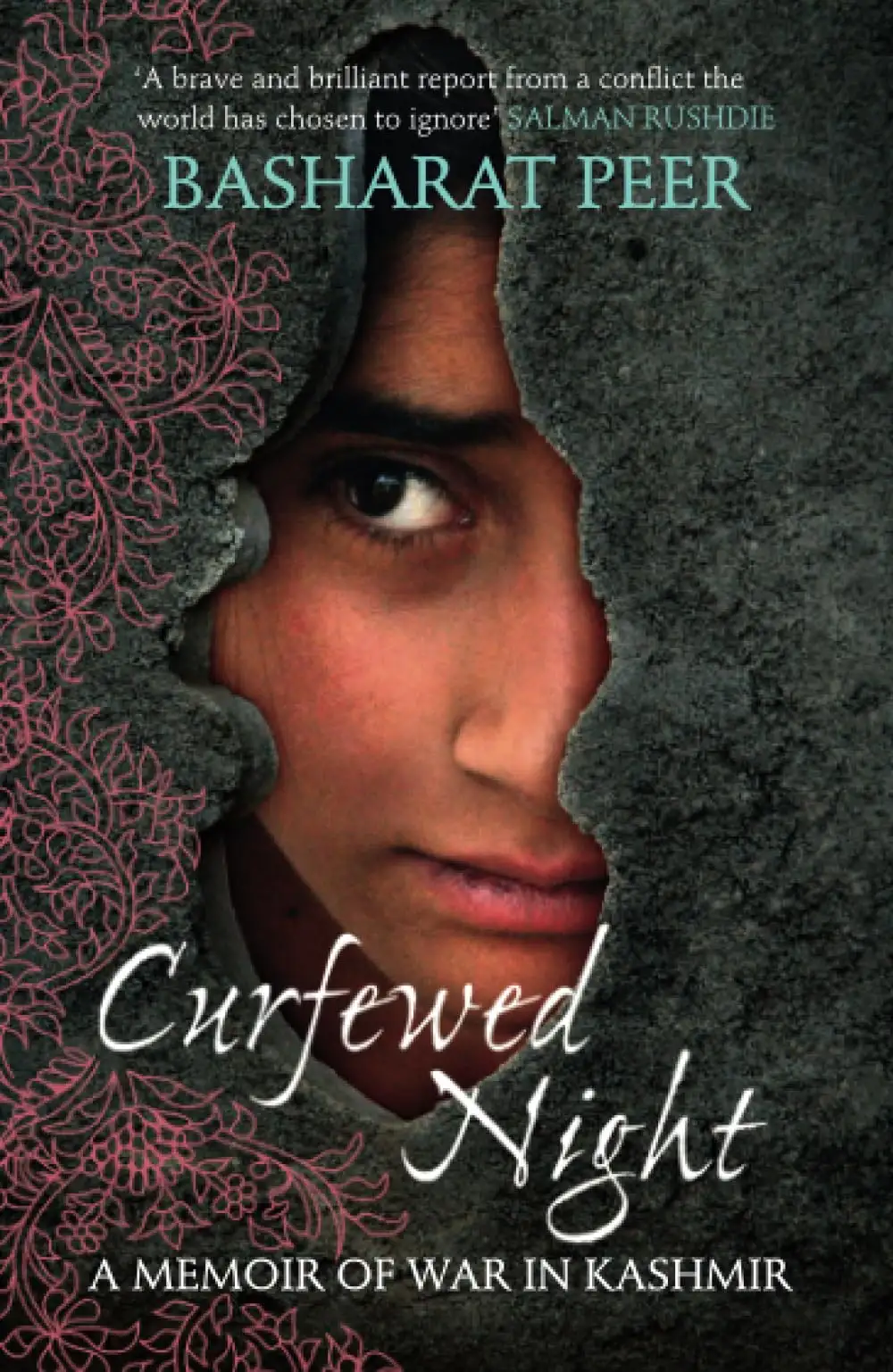
Curfewed Night, published in 2010, is an emotionally charged and deeply personal memoir by journalist Basharat Peer, recounting his experiences of growing up in Kashmir during the insurgency of the 1990s. The book combines Peer’s own memories with powerful reportage, offering a haunting portrayal of the violence, fear, and loss that ordinary Kashmiris endured during a decade marked by political strife, militancy, and military occupation. With an intimate, empathetic, and raw narrative, Curfewed Night sheds light on the personal stories often overlooked in the political discourse surrounding Kashmir.
Peer’s work stands out for giving voice to the everyday lives of those affected by the conflict, particularly the civilian population whose suffering has often been reduced to statistics in the broader political debate. Through his powerful storytelling, Peer captures the human cost of the insurgency, providing readers with an emotional and personal account that cuts through the complexity of Kashmir’s political landscape.
A Personal Journey Through a Time of Turmoil
What sets Curfewed Night apart is its deeply personal perspective. Peer writes not just as a journalist but as someone who lived through the horrors of the conflict. He shares stories from his childhood, his family’s experiences, and his observations as a young adult, offering a rare and intimate insight into the human side of a region embroiled in violence. Peer’s writing is candid and heartfelt, with every page brimming with the pain, fear, and loss experienced by Kashmiris during the insurgency.
The memoir doesn’t shy away from detailing the brutality and cruelty of the conflict. Peer recounts the impact of curfews, military operations, and militant violence, all of which contributed to a deep sense of fear and hopelessness among the population. Yet, despite the overwhelming trauma, there is also an underlying sense of resilience and strength in the stories of ordinary Kashmiris, who, even in the face of unimaginable adversity, managed to maintain a sense of community and humanity.
Humanizing Kashmir’s Tragedy
One of the book’s greatest strengths is its ability to humanize the conflict. Peer moves beyond the usual political analysis and focuses on the lived experiences of people whose lives were shattered by violence. Through the stories of individuals who lost family members, whose homes were destroyed, and who lived in constant fear of military crackdowns, Curfewed Night paints a vivid picture of the human toll of the Kashmir conflict.
Peer’s portrayal of Kashmir is not just one of suffering, though; it is also about hope, survival, and the unbreakable spirit of the people. He writes about the way in which people continued to live their lives despite the curfews, the fear, and the constant threat of violence. Through his interviews and personal anecdotes, Peer brings the voices of ordinary Kashmiris to the forefront, showing the world the personal stories behind the headlines.
Strengths of the Book
- Honest, Empathetic Portrayal of Lived Conflict: Curfewed Night stands out for its honest, deeply empathetic portrayal of the experiences of people living in conflict. Peer’s ability to capture the emotional and psychological impact of the insurgency on Kashmiris is what makes this memoir so powerful. It allows readers to connect with the people of Kashmir on a human level, beyond the political debates.
- Intimate and Personal: Unlike many books on Kashmir that focus on political analysis, Peer’s memoir is deeply personal, offering a firsthand account of life during the insurgency. His intimate reflections allow readers to better understand the emotional landscape of the region, making the book an invaluable resource for anyone seeking a human-centered perspective on Kashmir.
- Emotional and Raw Storytelling: Peer’s narrative is emotionally raw, drawing readers into the heartbreak of his experiences and those of the people around him. His writing captures the fear, loss, and sorrow that marked the daily lives of Kashmiris during the 1990s, providing a powerful window into the lived reality of the conflict.
Weaknesses of the Book
- Strongly Personal, Not a Comprehensive History: While Curfewed Night is an emotionally powerful memoir, its focus on personal experiences means it lacks a comprehensive historical or political analysis of the Kashmir conflict. Readers seeking a detailed political history or a broader understanding of the insurgency may find the book lacking in that regard. Peer’s perspective is deeply personal, and although he provides insights into the conflict, the book does not offer an exhaustive political context.
- Limited Scope: As a memoir, the book naturally focuses on Peer’s own experiences and the individuals he encountered. While this gives the narrative emotional depth, it also limits the scope of the book in terms of covering the larger political and historical forces shaping the conflict. Those looking for a wider exploration of Kashmir’s complex political landscape may find this limiting.
Verdict: A Deeply Human and Heartbreaking Account
Curfewed Night is a deeply moving and heartfelt memoir that offers a human-centered perspective on the Kashmir conflict. Basharat Peer’s personal storytelling brings to life the pain and resilience of the people of Kashmir during the 1990s insurgency. Through his honest and empathetic portrayal of the conflict, Peer provides a voice to those who have long been marginalized in political discussions about Kashmir.
Although the book does not offer a comprehensive political analysis, its emotional depth and intimate insights into the lived experiences of ordinary Kashmiris make it an invaluable and thought-provoking read. Curfewed Night is a powerful reminder of the human cost of conflict and the enduring strength of the human spirit in the face of unimaginable adversity.
Rating: 4.6/5
Strength: Honest, empathetic portrayal of lived conflict.
Weakness: Strongly personal, not a comprehensive history.
For more details and to purchase the book, visit Curfewed Night on Amazon.