
Share This Article
Introduction
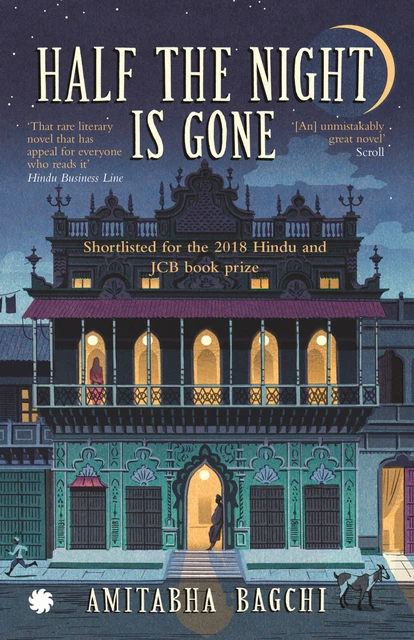
Published in 2018, Half the Night is Gone by Amitabha Bagchi is a layered and meditative novel set in contemporary Delhi, yet deeply rooted in the epic sensibilities of Hindi literature and traditions. The novel follows Vishwanath, a writer who is grappling with the grief of losing his son. In his search for meaning and solace, Vishwanath immerses himself in the stories of a servant family and their longstanding connection to a wealthy household. Through these narratives, Bagchi explores themes of grief, faith, social change, and the passage of time, all while drawing parallels between personal loss and the collective memory of civilization.
The novel’s slow pacing and philosophical richness demand patience, but its depth makes it a rewarding read for those who seek more than just a plot-driven story. Bagchi’s writing is lush and lyrical, weaving complex emotional and cultural threads into a contemplative exploration of life, loss, and the human condition.
A Story of Grief, Faith, and Social Change
At its heart, Half the Night is Gone is Vishwanath’s personal journey through grief. The loss of his son has left him adrift, unable to find peace or closure. In his search for meaning, he turns to the stories of a servant family that has been intricately linked to a wealthy household for generations. The narrative becomes an exploration not just of Vishwanath’s emotional turmoil but also of the ways in which personal loss is connected to broader societal shifts.
The servant family’s story is one of loyalty, servitude, and the changing dynamics of class and power. Through these intertwined tales, Bagchi delves into themes of faith, memory, and tradition, all while examining how the forces of modernity and social change impact individual lives. Vishwanath’s grief is mirrored in the larger sense of loss that pervades the novel—the loss of old values, the erosion of traditional bonds, and the uncertainty of the future.
Bagchi’s meditative approach to storytelling means that the novel is as much about the process of remembering as it is about the events themselves. The characters’ stories are deeply connected to the memory of past generations, and their struggles serve as metaphors for the broader cultural and historical shifts taking place in India. This dual narrative of personal loss and civilizational memory gives the novel its philosophical depth.
Philosophical Depth and Elegant Prose
One of the most striking aspects of Half the Night is Gone is Bagchi’s lyrical, introspective prose. His writing is rich with philosophical reflections on life, death, and the passage of time. The novel’s structure—slow, contemplative, and focused on inner thought—mirrors Vishwanath’s journey through his grief. Bagchi’s ability to capture the nuances of human emotion, particularly the ache of loss, is masterful. He uses this personal narrative to tie together themes of memory, history, and cultural change, creating a narrative that resonates on multiple levels.
The novel’s philosophical richness invites readers to reflect deeply on the nature of grief, faith, and identity. The stories within stories, the layers of past and present, are all woven together with care, creating a tapestry that is as intellectually stimulating as it is emotionally moving. For readers who enjoy novels that engage with deep questions about existence and meaning, Half the Night is Gone provides a thoughtful and rewarding experience.
Strengths of the Book
Philosophical Depth
Bagchi’s exploration of grief, faith, and societal change is profound. He doesn’t just tell a story; he engages readers in a larger conversation about life, loss, and the collective memory that shapes us. The philosophical underpinnings of the novel are its greatest strength.
Elegant Prose
Bagchi’s writing is poetic and introspective. His lyrical prose enhances the emotional and intellectual weight of the story, making the novel a work of art in itself. His ability to weave complex themes into the fabric of his narrative is a testament to his skill as a writer.
Rich Cultural and Emotional Layers
The blending of personal grief with the broader societal shifts makes this a deeply layered narrative. The novel’s engagement with both the individual and the collective experience adds depth and complexity to the story, making it a compelling read for those who enjoy thoughtful literature.
Weaknesses of the Book
Slow Pacing
The novel’s pacing is deliberate and slow, which might make it a challenging read for those who prefer faster-paced, plot-driven stories. While the pace allows for deep reflection, it can feel tedious for readers seeking a more dynamic narrative.
Demanding Patience
Half the Night is Gone requires a certain level of patience and attentiveness from its readers. Its meditative approach to storytelling and its focus on philosophical reflection may not appeal to everyone. Readers looking for action or drama might find the novel’s slow build and introspective tone demanding.
Verdict: A Contemplative Novel for Thoughtful Readers
Half the Night is Gone is a deeply contemplative and philosophical novel that explores the intersection of personal loss, cultural memory, and social change. Amitabha Bagchi’s elegant prose and intellectual depth make this a rewarding read for those who enjoy slow, reflective narratives that engage with big ideas about grief, faith, and the passage of time.
While its pacing might be slow for some and its philosophical weight demanding, the novel is an enriching experience for readers who appreciate literary works that go beyond the surface. Half the Night is Gone is a poignant meditation on life, death, and the shifting currents of modernity, making it an essential read for those who seek meaning in the quiet spaces between the lines.
Rating: 4.3/5
Strength: Philosophical depth, elegant prose, and emotional richness.
Weakness: Slow pacing and demanding patience.
For more details and to purchase the book, visit Half the Night is Gone on Amazon.