
Share This Article
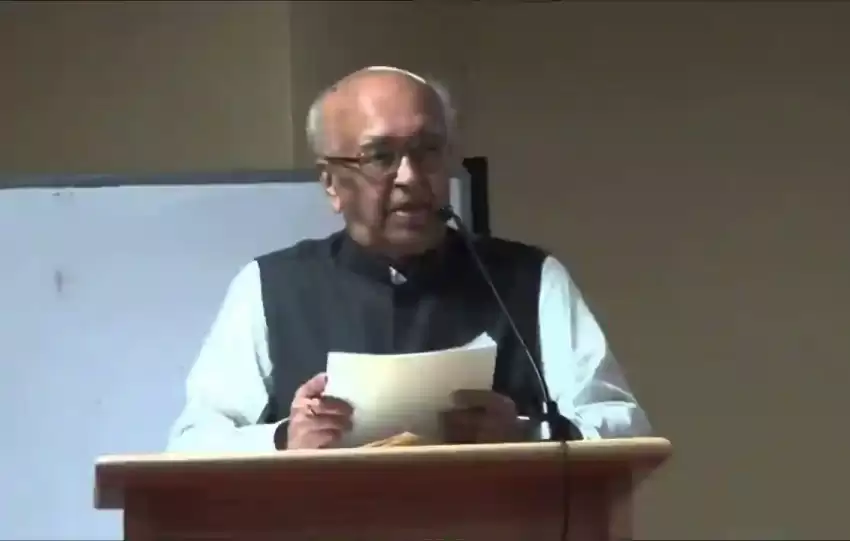
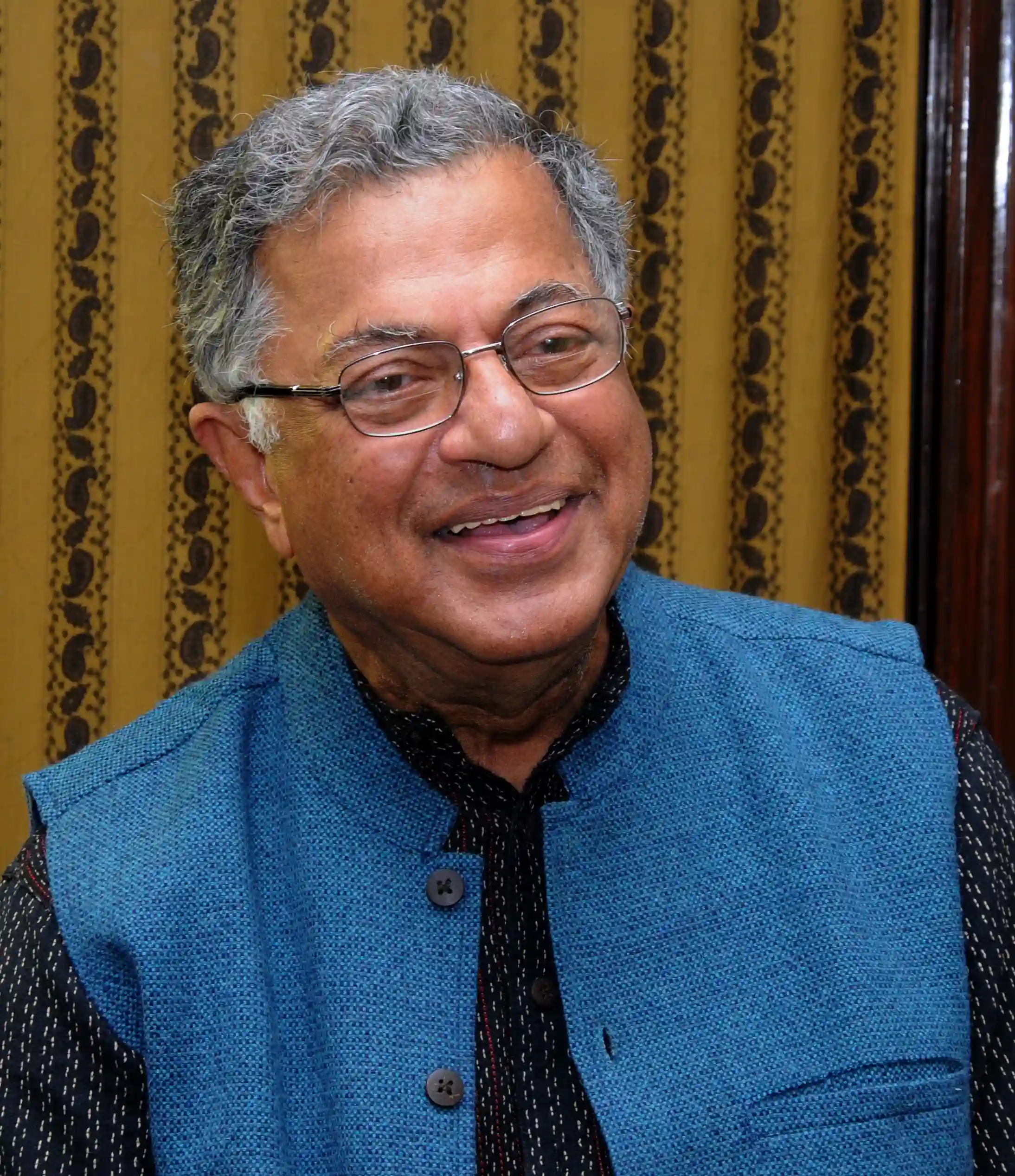
Girish Karnad (1938–2019) was one of India’s most celebrated playwrights, actors, and public intellectuals, whose work transformed modern Indian theatre and literature. Known for weaving together myth, history, and contemporary issues, he emerged as a towering figure in Indian arts, with influence extending into cinema, politics, and cultural debates.
Early Life & Education
Born on May 19, 1938, in Matheran, Maharashtra, Karnad grew up in Sirsi and Dharwad, Karnataka. He studied at Karnatak University and later, as a Rhodes Scholar at Oxford University, pursued philosophy, politics, and economics.
Writing & Publications
Karnad’s career as a writer began with his debut play Yayati (1961), which won immediate acclaim. His celebrated plays include:
- Tughlaq (1964)
- Hayavadana (1971)
- Naga-Mandala (1988)
His memoir, This Life at Play (2021, posthumous), offers an intimate reflection on his creative journey.
Style & Themes
Karnad’s writing blended mythological narratives with modern sensibilities, addressing power, morality, gender, cultural identity, and the human condition.
Achievements
- Jnanpith Award (1998) – India’s highest literary honor
- Padma Bhushan (1992) and Padma Shri (1974)
- National Film Awards for acting and direction
- Plays translated into multiple languages and staged worldwide
Beyond Writing
Karnad was also a renowned actor and filmmaker, appearing in numerous films and television productions. He served as Director of the Film and Television Institute of India (FTII) and was an active voice in cultural and political discourse.
Legacy
Though he passed away in 2019, Karnad’s works continue to inspire playwrights, filmmakers, and cultural thinkers across generations.
Quote / Philosophy
“For me, theatre is not just entertainment. It is a way of questioning society.” – Girish Karnad