
Share This Article
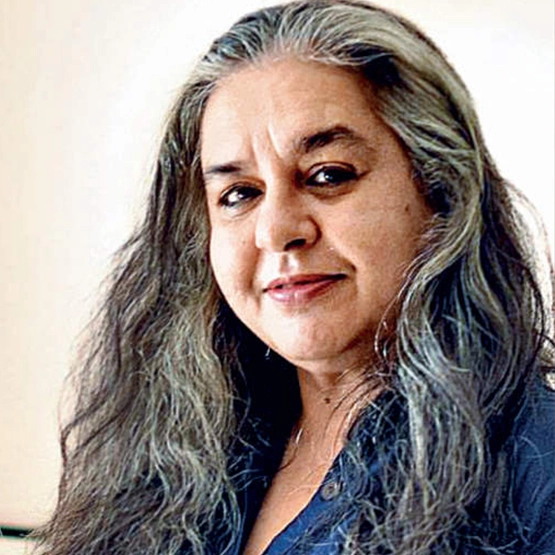
Arshia Sattar is an acclaimed Indian translator, writer, and scholar, best known for her English translations of the Ramayana and her extensive writings on Indian epics, mythology, and storytelling traditions. Her work has made classical Sanskrit literature accessible to modern readers while inspiring new conversations about dharma, morality, and identity.
Early Life & Education
Sattar earned her PhD in South Asian Languages and Civilizations at the University of Chicago, studying under renowned scholar Wendy Doniger. This academic foundation shaped her lifelong engagement with Sanskrit texts and comparative mythology.
Writing & Publications
Sattar’s career began with her widely celebrated translation of Valmiki’s Ramayana (1996, Penguin Classics). Since then, she has published extensively across genres:
- Translations: Valmiki’s Ramayana (1996)
- Non-fiction: Lost Loves: Exploring Rama’s Anguish (2011), Maryada: Searching for Dharma in the Ramayana (2020)
- Children’s Literature: Ramayana for Children (2012)
- Edited Volume: This Life at Play: Memoirs of Girish Karnad (co-editor)
Style & Themes
Her writing is scholarly yet accessible, blending rigorous research with empathy and narrative flair. Core themes include gender, dharma, morality, and the continuing relevance of mythology.
Achievements
- Widely recognized for bringing Sanskrit texts to a global readership
- Co-founder of Sangam House, an international writers’ residency in India
- Frequent contributor to newspapers and cultural journals on literature and mythology
Beyond Writing
Sattar is also a teacher and workshop leader, guiding students and audiences in exploring mythology and storytelling. She actively works to keep India’s classical traditions alive for contemporary readers.
Future Work
She continues to focus on translations and interpretations of Indian epics, with particular interest in gender and narrative ethics.
Quote / Philosophy
“Mythology survives because every generation reads it anew, asking fresh questions.” – Arshia Sattar