
Share This Article
Author Introduction
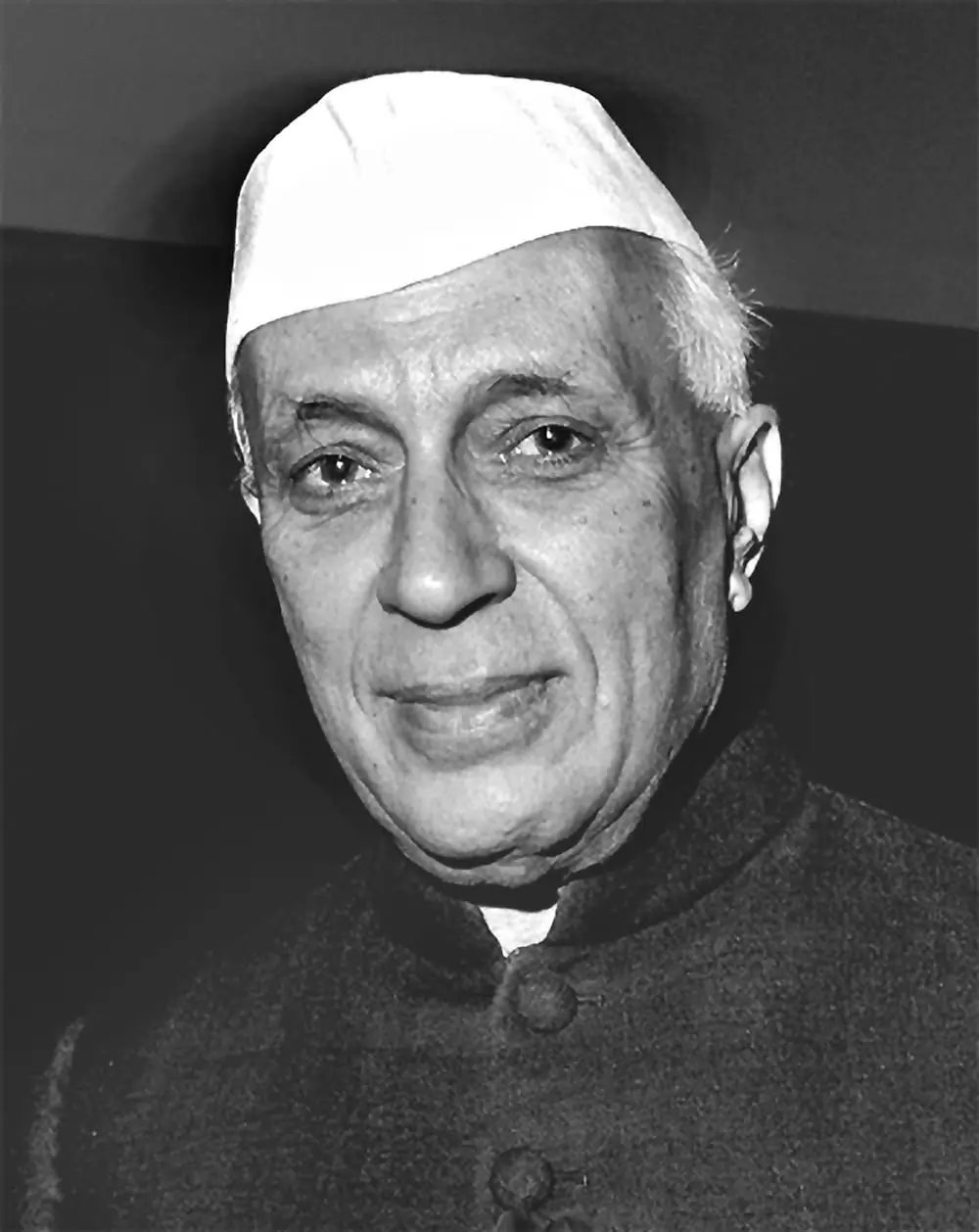
Jawaharlal Nehru was India’s first Prime Minister, freedom fighter, and one of the most influential leaders in shaping modern India. Beyond politics, he was also a prolific writer and thinker, whose works reflect his vision of a united, secular, and progressive India.
Early Life & Background
Born on November 14, 1889, in Allahabad, Nehru was the son of Motilal Nehru, a wealthy lawyer and nationalist leader. He was educated at Harrow School and Trinity College, Cambridge, before studying law at Inner Temple, London. Returning to India, he joined the Indian National Congress and became a close associate of Mahatma Gandhi during the freedom struggle.
Writing Journey
Nehru wrote extensively while in prison during India’s independence movement. His works combined history, philosophy, and nationalism, providing a sweeping narrative of India’s civilization. The Discovery of India (1946) remains his most celebrated work, written during his imprisonment at Ahmednagar Fort.
Published Works
- Glimpses of World History (1934).
- An Autobiography (1936).
- The Discovery of India (1946).
Writing Style & Themes
Nehru’s style was lyrical, reflective, and idealistic. His themes included India’s cultural continuity, nationalism, and the aspiration for democracy and secularism.
Achievements & Recognition
- First Prime Minister of India (1947–1964).
- Architect of India’s democratic institutions and non-alignment policy.
- Bharat Ratna (1955).
Beyond Writing
Nehru’s contributions extended to institution building, scientific progress, and international diplomacy. His legacy is celebrated every year on Children’s Day (November 14).
Quotes / Philosophy
“Culture is the widening of the mind and of the spirit.”