
Share This Article
Introduction
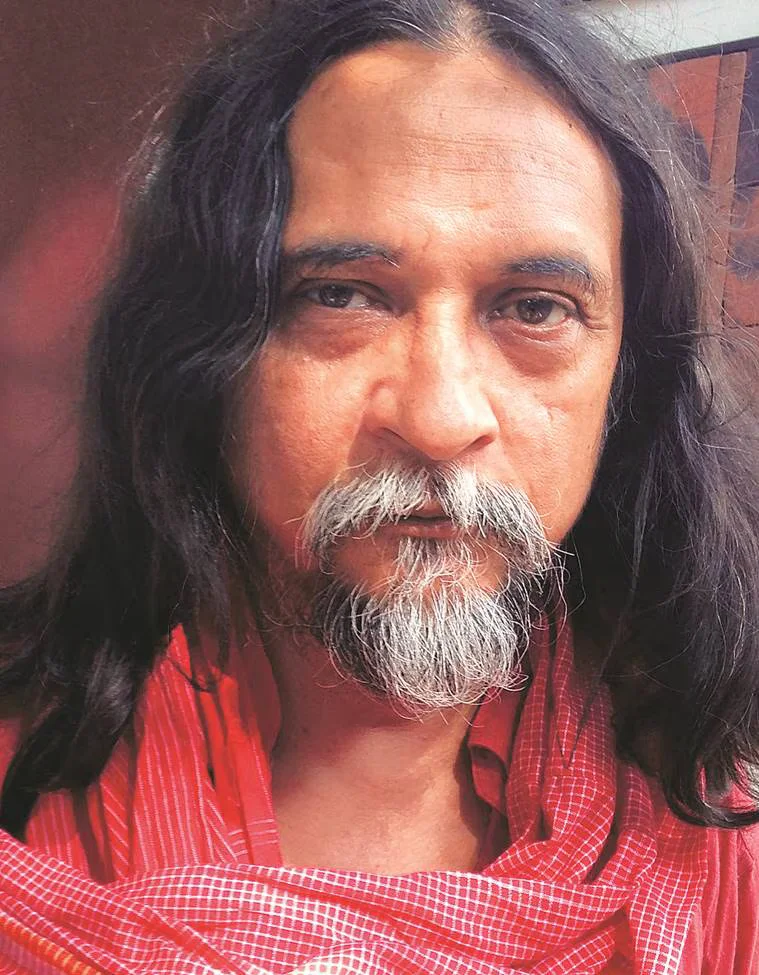
Orijit Sen is an Indian graphic artist, cartoonist, and social activist, widely recognized as a pioneer of Indian graphic novels. He is best known for his groundbreaking work River of Stories, considered India’s first graphic novel, which blends art, storytelling, and political consciousness.
Through his visual narratives, Sen has redefined how comics and illustration can serve as powerful tools for social commentary and environmental activism, making him one of the most influential figures in India’s contemporary visual culture.
Early Life & Background
Born in New Delhi, Orijit Sen developed an early passion for art and social awareness, interests that would later merge into a unique artistic vision. He studied at the National Institute of Design (NID) in Ahmedabad, where he honed his craft in visual communication and design thinking.
At NID, Sen’s exposure to both traditional Indian art forms and modern design ideologies shaped his creative philosophy — that art must engage with society and reflect its cultural, political, and environmental realities.
This grounding gave rise to his lifelong commitment to using illustration and storytelling as instruments of social engagement and change.
Writing Journey
Orijit Sen’s artistic journey is inseparable from his activism. In 1994, he created River of Stories, a visually rich and politically charged narrative about the Narmada Dam project — one of India’s most controversial development projects. The story combines personal perspectives, folklore, journalism, and art to depict how large-scale industrial projects impact villagers, activists, and the environment.
Reissued in 2022, River of Stories continues to be celebrated for its visionary blending of illustration and social critique, marking a turning point in India’s literary and artistic landscape.
Beyond this seminal work, Sen has been involved in numerous graphic projects and community art initiatives, focusing on human rights, environmentalism, and marginalized voices. His art consistently bridges the personal and the political, using images to document, question, and inspire.
Published Works
| Title | Year | Genre / Focus |
|---|---|---|
| River of Stories | 1994; reissued 2022 | Graphic Novel – Environmental activism, social justice |
| Various graphic projects | Ongoing | Art and illustration on social and cultural themes |
River of Stories remains a landmark in Indian publishing — a work that introduced graphic journalism and social storytelling to the subcontinent decades before it became a global trend.
Writing Style & Themes
Orijit Sen’s art and storytelling are characterized by visual dynamism, realism, and empathy. His work often blurs the lines between reportage and art, using imagery to give voice to those who are otherwise unheard.
Recurring Themes
- Environmentalism: The struggle between development and ecological balance.
- Social Activism: The stories of communities marginalized by systemic inequality.
- Human Rights: The intersection of art and social justice.
- Cultural Identity: The preservation of local voices in a globalized world.
His visual storytelling is layered, emotionally resonant, and meticulously detailed — allowing readers to engage both intellectually and viscerally with the issues he portrays.
Achievements & Recognition
- Widely recognized as the pioneer of the Indian graphic novel movement.
- His works have been exhibited in national and international art forums, including galleries and cultural institutions promoting social art.
- Co-founder of People Tree, an influential collective that promotes sustainable design and community art.
- Contributed to the creation of public murals, comics, and exhibitions addressing environmental and social justice themes.
- Celebrated as a mentor and influence for younger generations of Indian comic artists and illustrators.
Sen’s contributions have established him not only as an artist but also as a cultural catalyst who expanded the scope of what Indian visual art can achieve.
Beyond Writing
Beyond his own publications, Orijit Sen is deeply involved in community-based art and educational projects. He collaborates with grassroots organizations, NGOs, and environmental groups to create participatory art experiences that empower local communities to tell their own stories through imagery.
Sen’s projects often merge art with activism, reinforcing his belief that creativity is a form of civic engagement. His workshops and mentorship programs continue to inspire new generations of artists to think critically and use art as a language of empathy and resistance.
Future Projects
Orijit Sen continues to work on new graphic narratives and visual projects that address pressing social and environmental challenges. His upcoming works are expected to expand on themes such as urbanization, climate change, and cultural identity, using art as a mirror to modern India’s struggles and aspirations.
He remains committed to experimenting with form — combining illustration, oral storytelling, and digital media to explore the evolving relationship between art and activism.
Quotes / Writing Philosophy
“Art can tell the stories that words alone cannot.” – Orijit Sen
This philosophy defines Sen’s creative ethos. For him, art transcends language and geography, giving visibility to emotions, injustices, and experiences that might otherwise remain invisible. His belief in art as a democratic force drives both his storytelling and his activism.
Conclusion
Orijit Sen stands as a trailblazer in Indian visual storytelling, whose work has transformed the landscape of graphic art, literature, and activism. Through River of Stories and countless other projects, he has shown how illustration can confront power, preserve memory, and amplify the voices of the marginalized.
More than an artist, Sen is a storyteller of conscience — one who reminds us that images can speak truth to power with a force that transcends words.
His legacy continues to inspire a new generation of artists to see art not only as creation but as a call to action, ensuring that the stories of people and the planet are never forgotten.