
Share This Article
Author Introduction
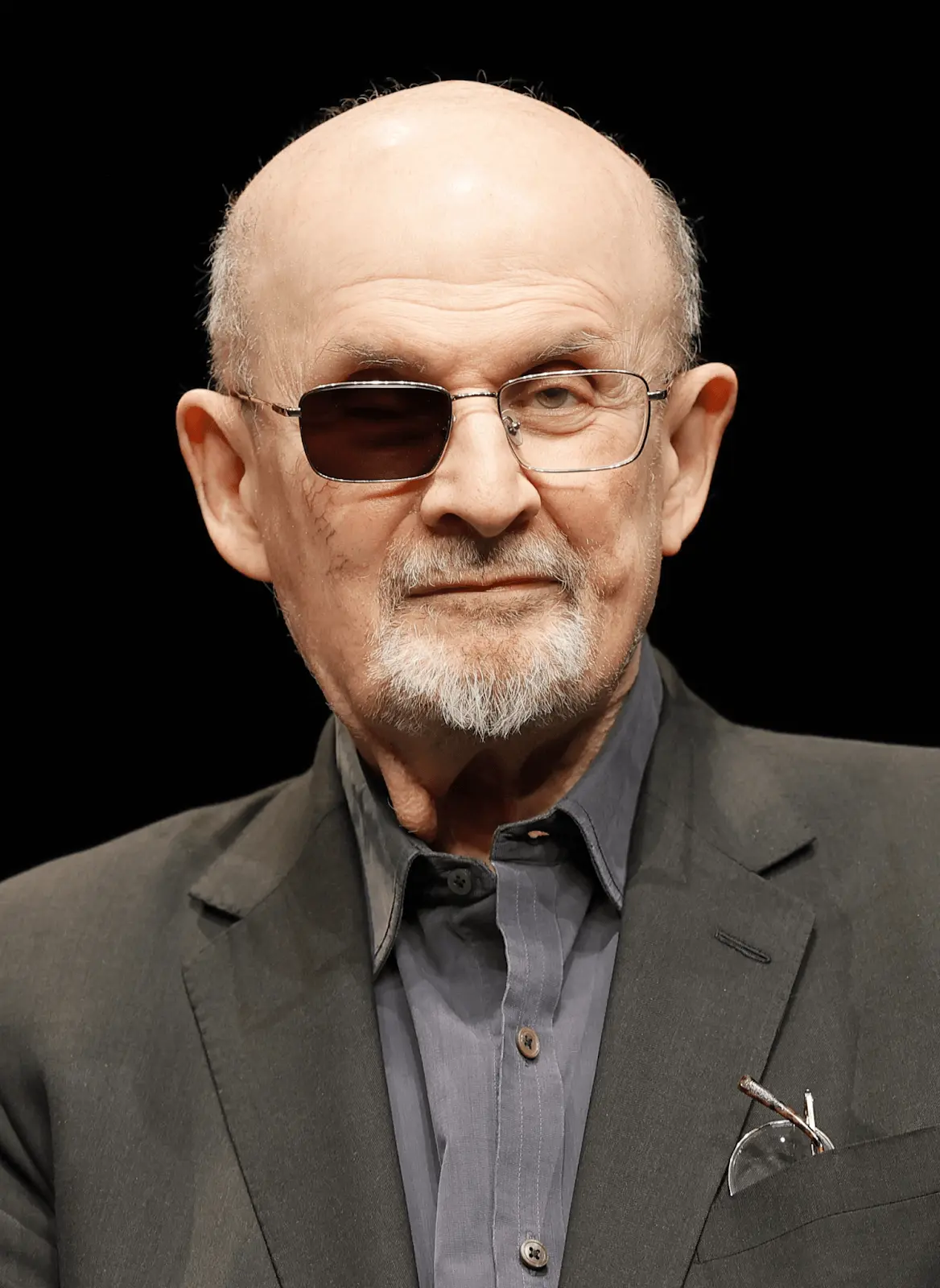
Salman Rushdie is a globally acclaimed author, essayist, and novelist, renowned for his masterful blending of magical realism with historical and political themes. His works have sparked debate, admiration, and acclaim, establishing him as one of the most influential contemporary writers.
Early Life & Background
Born on June 19, 1947, in Bombay (now Mumbai), India, Salman Rushdie grew up in a culturally rich environment. He was educated at the Cathedral and John Connon School in Bombay before attending Rugby School in England. He later studied at King’s College, Cambridge, where he earned a degree in History. His multicultural upbringing and exposure to both Eastern and Western thought have deeply influenced his writing style and themes.
Writing Journey
Rushdie began his literary career with novels that explored identity, culture, and politics in postcolonial societies. He gained international fame with Midnight’s Children (1981), which won the Booker Prize and established his hallmark style of intertwining magical realism with historical events. The Satanic Verses (1988) brought both global acclaim and controversy, highlighting his fearless approach to tackling sensitive subjects. Across decades, Rushdie has written novels, memoirs, and essays that challenge conventions while engaging readers in profound narratives about society, religion, and identity.
Published Works
- Novels: Midnight’s Children (1981), Shame (1983), The Moor’s Last Sigh (1995), Shalimar the Clown (2005), The Golden House (2017).
- Memoir: Joseph Anton: A Memoir (2012).
- Notable: The Satanic Verses (1988), one of his most controversial and widely discussed works.
Writing Style & Themes
Rushdie is celebrated for his lyrical prose, inventive storytelling, and use of magical realism to explore historical, political, and cultural narratives. His works frequently address themes of migration, identity, religion, freedom of expression, and the complex legacies of colonialism.
Achievements & Recognition
- Booker Prize for Midnight’s Children (1981).
- Booker of Bookers Award (1993, 2008).
- Commander of the Order of the British Empire (CBE) for services to literature.
- Numerous international literary awards and honorary degrees.
Beyond Writing
Beyond literature, Rushdie is an outspoken advocate for freedom of expression and human rights. He has been active in supporting writers under threat worldwide and is known for engaging in public debates on culture, religion, and politics.
Future Projects
Rushdie continues to write novels, essays, and opinion pieces that reflect his engagement with contemporary global issues. Readers eagerly anticipate his future works exploring the intersection of culture, identity, and history.
Quotes / Writing Philosophy
“Books choose their authors; the act of writing is often a surrender to the story, not a mere exercise of the will.” – Salman Rushdie