
Share This Article
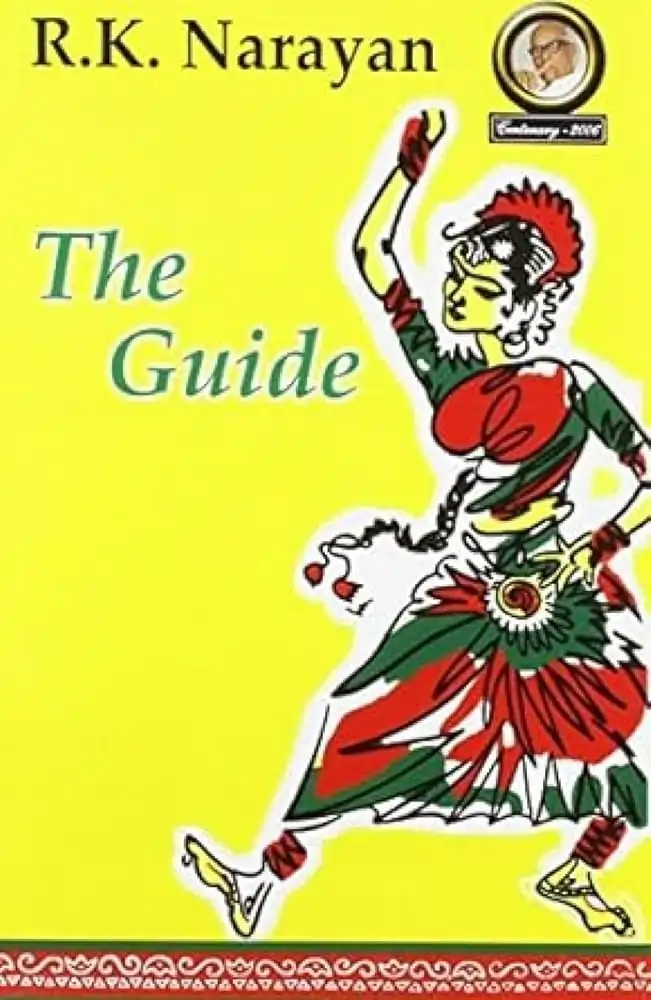
Book Review: The Guide
Author: R.K. Narayan

Rating: 4.5/5
Overview:
First published in 1958, The Guide is one of R.K. Narayan’s most celebrated novels, blending humor, irony, and spiritual depth. The story follows Raju, a tour guide who unexpectedly evolves into a holy man. His journey from materialism to reluctant spirituality is both satirical and thought-provoking, reflecting on human ambition, morality, and the search for meaning.
Narayan’s simple and engaging writing style makes the novel accessible while also addressing deeper questions of faith, destiny, and redemption. The characters are flawed yet endearing, allowing readers to empathize with their struggles and personal growth. While the ending is somewhat ambiguous, it adds to the novel’s philosophical charm, leaving readers reflecting on the uncertainties of life and human nature.
Strengths:
- Accessible Writing with Layered Meaning: Narayan’s prose is simple and readable, yet it contains subtle depth, philosophical insight, and satire.
- Relatable Characters: Raju and other characters are realistically flawed and endearing, making the story relatable across cultures and generations.
Weaknesses:
- Ambiguous Ending: Some readers may find the ending unresolved or open to interpretation, which can be unsatisfying for those expecting a conventional conclusion.
Verdict:
The Guide is a delightful yet profound read that balances humor with deeper reflections on life, morality, and spirituality. Narayan’s combination of accessible storytelling and philosophical depth makes it a timeless classic that continues to resonate with readers.
Buy the Book:
You can purchase The Guide by R.K. Narayan from Amazon:
Frequently Asked Questions (FAQ)
1. What is the central theme of *The Guide*?
The central theme is the journey of Raju from materialism to reluctant spirituality, exploring questions of faith, destiny, morality, and human imperfection. The novel also reflects on the nature of redemption and self-realization.
2. How does R.K. Narayan balance humor and philosophy in the novel?
Narayan’s writing blends gentle satire and irony with philosophical reflections. Humor arises naturally from character interactions and everyday situations, while deeper layers of meaning provoke contemplation on life, morality, and human nature.
3. Is the ending of *The Guide* conclusive?
The ending is intentionally ambiguous, which invites readers to interpret the story’s conclusion in different ways. While some may find it unresolved, it enhances the novel’s reflective and philosophical qualities.
4. Are the characters in *The Guide* relatable?
Yes, Raju and other characters are realistically flawed and human, making them relatable to readers across different cultures and generations. Their struggles and growth are central to the narrative’s appeal.
5. Who would enjoy reading *The Guide*?
Readers who enjoy character-driven stories with philosophical depth, gentle humor, and cultural insights will appreciate *The Guide*. It is suitable for those interested in reflective fiction that combines entertainment with meaningful life lessons.