
Share This Article
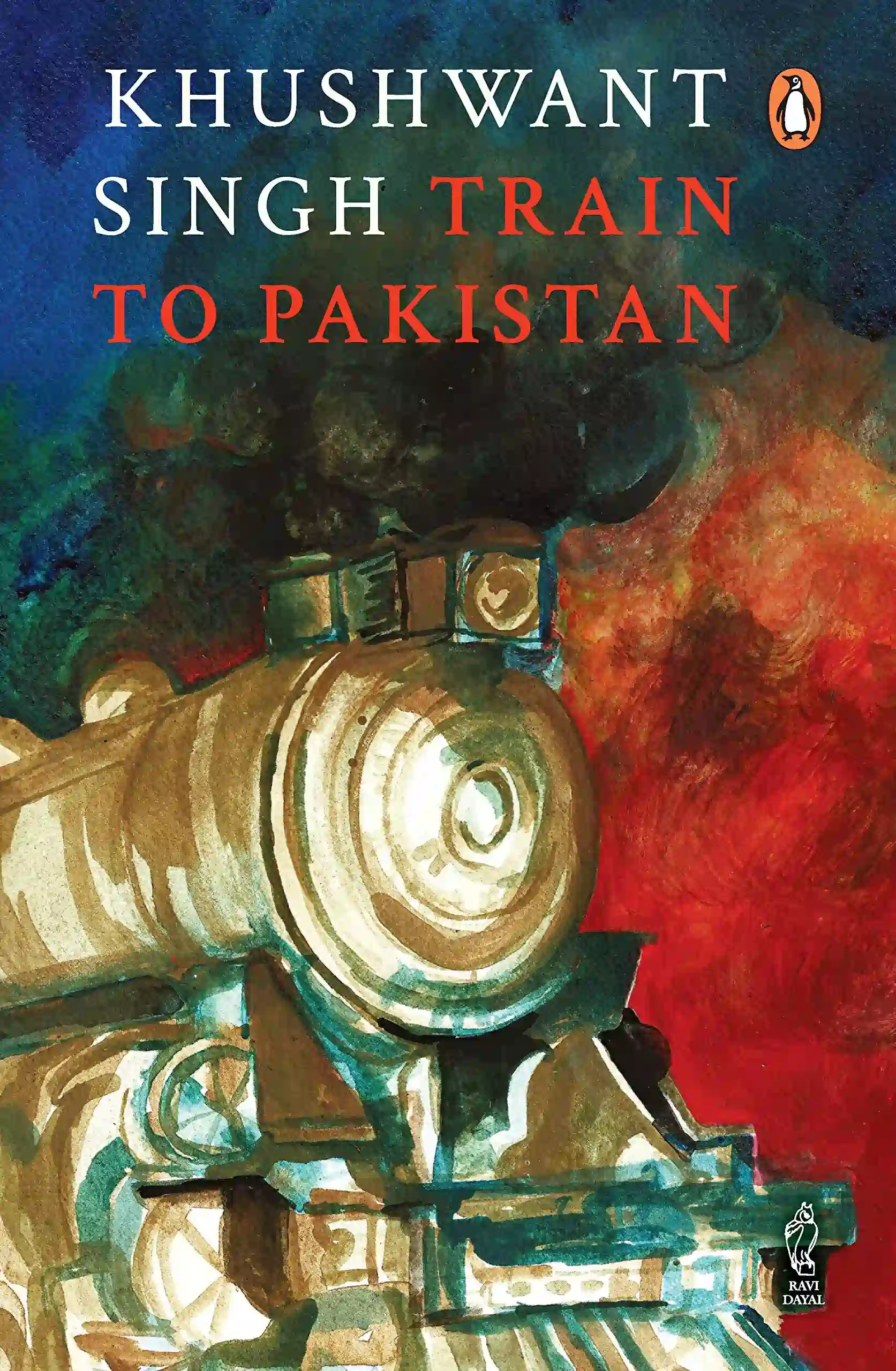
Book Review: Train to Pakistan
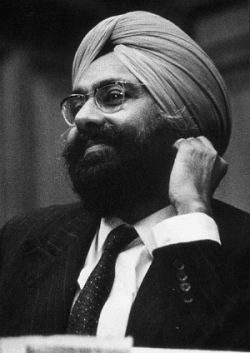
Author: Khushwant Singh
Rating: 4.7/5
Overview:
Published in 1956, Khushwant Singh’s Train to Pakistan remains one of the most poignant and impactful depictions of Partition and its human cost. Set in the fictional village of Mano Majra, where Sikhs and Muslims once lived in harmony, the story captures the devastating effects of the 1947 Partition and how politics and violence tore apart ordinary lives. The novel takes readers deep into the lives of its characters as they navigate the tragic events surrounding Partition.
Singh’s writing is direct, unflinching, and deeply human. Through his characters, he portrays both cruelty and compassion, demonstrating how love and betrayal coexist in turbulent times. What makes this novel especially powerful is its refusal to glorify or demonize any one side; instead, it reveals the raw and painful truth of communal violence in the most honest and visceral way.
The imagery of trains arriving with corpses is one of the most unforgettable and harrowing moments in Indian literature. The novel’s stark, blunt narrative may feel harsh at times, but it is precisely this unflinching approach that makes the book so impactful, offering readers an emotional and thought-provoking reflection on the cost of Partition.
Strengths:
- Honest Portrayal of Partition: The book offers an unvarnished, emotional depiction of the impact of Partition, highlighting the human suffering and trauma that resulted from this historical event.
- Emotional Depth: Singh’s portrayal of the complexities of human emotions, such as love, betrayal, and compassion, adds layers of depth to the narrative, making it a profoundly moving read.
Weaknesses:
- Stark Writing Style: The blunt, unflinching narrative style may feel heavy and overwhelming, especially for sensitive readers. The starkness of the storytelling is necessary to convey the horror of the events, but it can be difficult to digest for some.
Verdict:
Train to Pakistan is a classic that must be read to truly understand the tragedy of Partition beyond mere statistics and history books. Singh’s honest portrayal of the human cost of communal violence makes this novel a powerful, unforgettable read that sheds light on one of the darkest chapters in Indian history.
Buy the Book:
Purchase Train to Pakistan by Khushwant Singh from Amazon:
Frequently Asked Questions (FAQ)
1. What is the central theme of *Train to Pakistan*?
The central theme of the novel is the human cost of Partition. It explores the pain, suffering, and devastation experienced by ordinary people caught in the violence and turmoil of 1947. The story delves into the complexities of communal violence, love, betrayal, and the choices people make in times of crisis.
2. How does Khushwant Singh approach the topic of Partition in *Train to Pakistan*?
Singh approaches the topic of Partition without glorifying or demonizing any particular side. Instead, he presents a raw and truthful depiction of the events, showing the complexities of human nature in the face of such violence and upheaval. The novel does not shy away from showing the cruelty and compassion that coexisted during this time.
3. Is *Train to Pakistan* a historical account or a fictionalized story?
While *Train to Pakistan* is a work of fiction, it is deeply rooted in the historical context of the 1947 Partition. Singh’s portrayal of the human experiences during that time is informed by the real events of Partition, but the characters and their stories are fictionalized to bring a more personal and emotional perspective to the tragedy.
4. Is this book suitable for younger readers?
Due to its stark portrayal of violence and the emotional weight of the story, *Train to Pakistan* may not be suitable for younger or sensitive readers. The novel’s blunt writing style and the grim themes it addresses may be challenging for those not prepared for such heavy subject matter.
5. How does the imagery of trains contribute to the novel?
The imagery of trains in *Train to Pakistan* is symbolic of the violence and tragedy that marked the Partition. The arrival of trains carrying corpses serves as a haunting and unforgettable image that encapsulates the brutal reality of the times. It highlights the scale of loss and the human toll of communal violence during Partition.