
Share This Article
Introduction
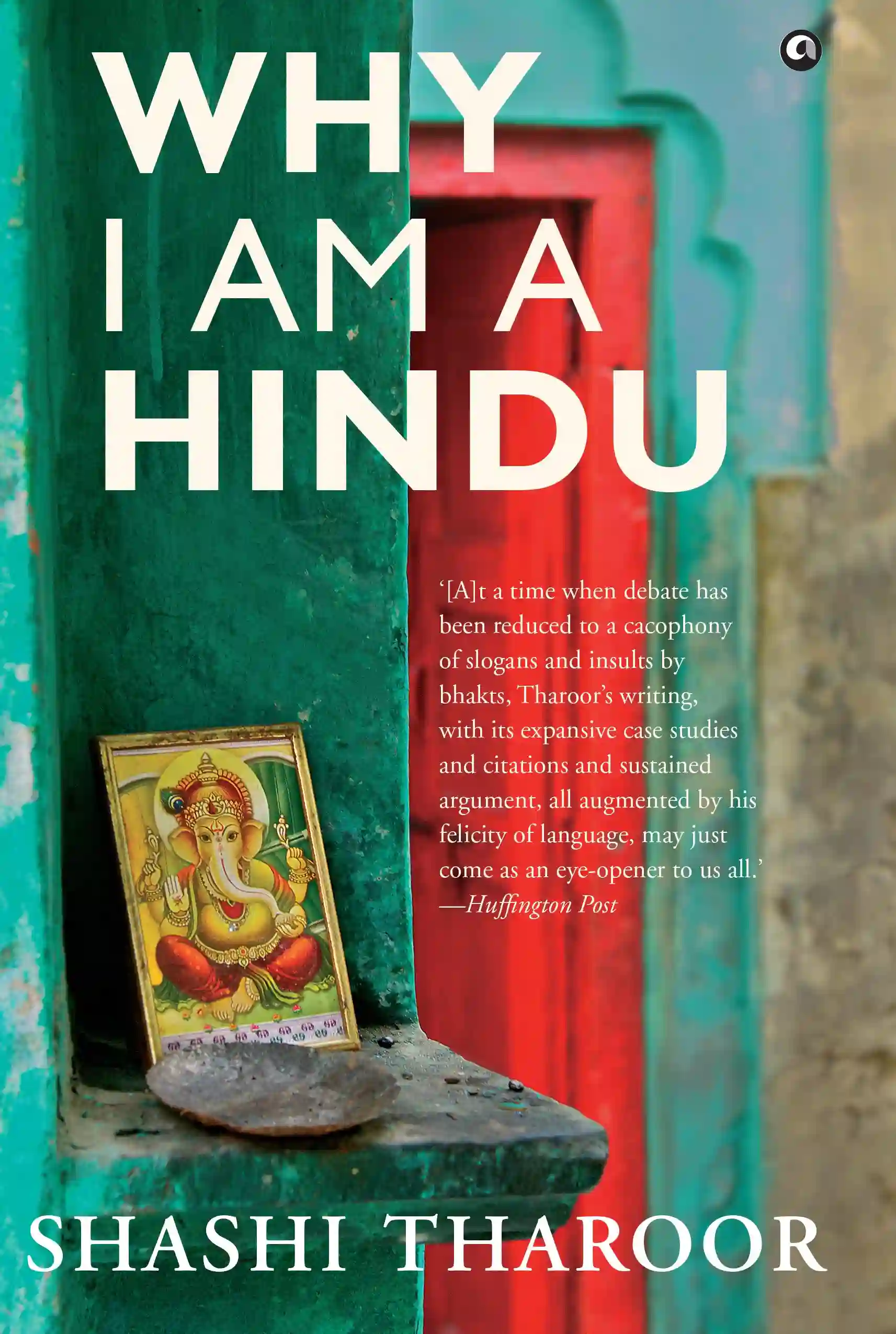
Published in 2018, Why I Am a Hindu by Shashi Tharoor is a deeply personal and intellectual exploration of Hinduism, one of the world’s oldest and most diverse religious traditions. Tharoor, known for his eloquence and sharp political commentary, uses this book to reflect on his personal journey with Hinduism, while also addressing the broader cultural, social, and political dimensions of the religion. Through the lens of inclusivity and tolerance, Tharoor argues that Hinduism, at its core, is a liberal and open faith—one that is rooted in philosophical richness, diversity, and pluralism.
A Personal Exploration of Hinduism
Tharoor’s approach to the subject is both deeply personal and intellectual. He invites readers into his own spiritual world, reflecting on how Hinduism has shaped his identity, worldview, and values. However, this book is not merely an autobiography or a confessional. Tharoor also weaves in historical and philosophical perspectives to present Hinduism not just as a set of religious practices, but as a vibrant, evolving tradition. He explores its ancient texts, its philosophical debates, and the many layers that have been added to it over millennia.
The book stands out because Tharoor emphasizes Hinduism’s inclusive and pluralistic nature. He argues that Hinduism, when practiced as it is intended, celebrates diversity and rejects dogma. This message is particularly pertinent in today’s context, where there is a growing concern about the politicization of religion and the rise of religious nationalism.
Key Themes in the Book
- Inclusivity and Tolerance: One of the central tenets of Tharoor’s argument is that Hinduism has always been inclusive, tolerant, and respectful of other beliefs. Unlike the rigid structures of many organized religions, Hinduism, according to Tharoor, is based on the idea of pluralism. The faith accepts a multitude of paths to spirituality and encourages dialogue rather than division.
- Philosophical Richness: Tharoor takes the reader through a detailed examination of Hindu philosophical thought. From the ancient wisdom of the Vedas to the ideas of modern thinkers like Swami Vivekananda, he highlights the intellectual depth of the tradition. Hinduism, Tharoor suggests, is a living tradition that encourages critical thinking, introspection, and self-discovery.
- Separation of Spirituality from Ideology: Tharoor makes a compelling case for distinguishing spirituality from the political and ideological manipulation of religion. He criticizes how Hinduism is often used by political forces to serve an agenda that is antithetical to its true spirit. This division between spiritual practice and political ideology is a recurring theme in the book, especially in the context of rising religious nationalism.
- The Diversity of Hindu Practices: The book highlights the vast diversity within Hindu practices. Tharoor’s personal experiences, along with a broader historical overview, paint a picture of Hinduism as a religion that transcends boundaries of region, language, and tradition. He reminds readers that the beauty of Hinduism lies in its flexibility and ability to evolve.
Strengths of the Book
- Elegant Writing: As is characteristic of Tharoor’s style, the book is written in an eloquent and engaging manner. His command of language and rhetoric allows him to articulate complex ideas with clarity and finesse, making the book accessible to both general readers and scholars.
- Balanced Personal and Intellectual Perspective: The balance between personal anecdotes and intellectual analysis makes this book compelling. Tharoor blends his personal experiences with scholarly insights into Hinduism’s philosophical and historical roots, creating a nuanced and well-rounded narrative.
- Timely and Relevant: Given the contemporary political climate in India, Why I Am a Hindu is a timely intervention. Tharoor’s arguments about the dangers of religious fundamentalism and the importance of reclaiming Hinduism’s liberal and inclusive roots are both relevant and necessary in the current socio-political landscape.
Weaknesses of the Book
- Political Tone: One of the criticisms some readers may have is the overt political tone of the book. While Tharoor’s insights into the political manipulation of religion are important, some readers may find his critiques of contemporary political developments too pronounced or polarizing. This political perspective may not appeal to readers who prefer a purely spiritual or philosophical discussion of Hinduism.
- Occasional Overlap with Tharoor’s Other Works: Some sections of the book may feel familiar to those who are already acquainted with Tharoor’s other writings, especially his political commentary. At times, the book veers into political rhetoric, which may detract from the spiritual exploration for readers expecting a more focused discussion on Hindu philosophy.
Verdict: A Thoughtful Defense of Hinduism
Why I Am a Hindu is an intellectually rigorous and reflective work that successfully marries personal reflection with academic insight. Tharoor’s eloquent defense of Hinduism as a religion of tolerance, philosophical richness, and inclusivity provides a much-needed counter-narrative to the growing trend of religious nationalism. His message is one of unity, encouraging readers to embrace the true spirit of Hinduism—one that transcends ideology and embraces diversity.
The book serves as an essential read for anyone interested in understanding Hinduism from both a personal and philosophical standpoint. While its political undertones may not appeal to all, its core message of spiritual liberation and intellectual freedom makes it a compelling and necessary read.
Rating: 4.3/5
Strength: Elegant writing and a balanced approach between personal reflection and intellectual exploration.
Weakness: Political tone may not resonate with all readers.
For more details and to purchase the book, visit Why I Am a Hindu on Amazon.