
Share This Article
Early Life & Background
Family and Childhood
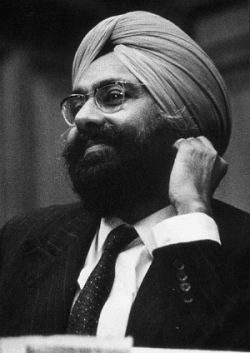
Khushwant Singh was born on February 2, 1915, in Hadali, a village now in Pakistan. He came from a prosperous Sikh family. His father, Sir Sobha Singh, was a renowned builder in Delhi who contributed to the city’s modern architecture. This privileged yet culturally rich upbringing exposed young Singh to diverse ideas and traditions.
Education and Legal Training
He studied at Modern School, Delhi, followed by St. Stephen’s College at the University of Delhi. Later, Singh went to King’s College London, where he pursued law and qualified as a barrister at the Inner Temple. His dual exposure to Indian and Western systems of education shaped his critical outlook on society.
Writing Journey
Entry into Journalism
Though he trained as a lawyer, Singh’s true calling lay in writing. His career began with essays and short stories infused with humor, honesty, and a touch of satire. He soon gained recognition as a journalist, with a style that blended sharp observation and fearless expression.
Breakthrough with Train to Pakistan
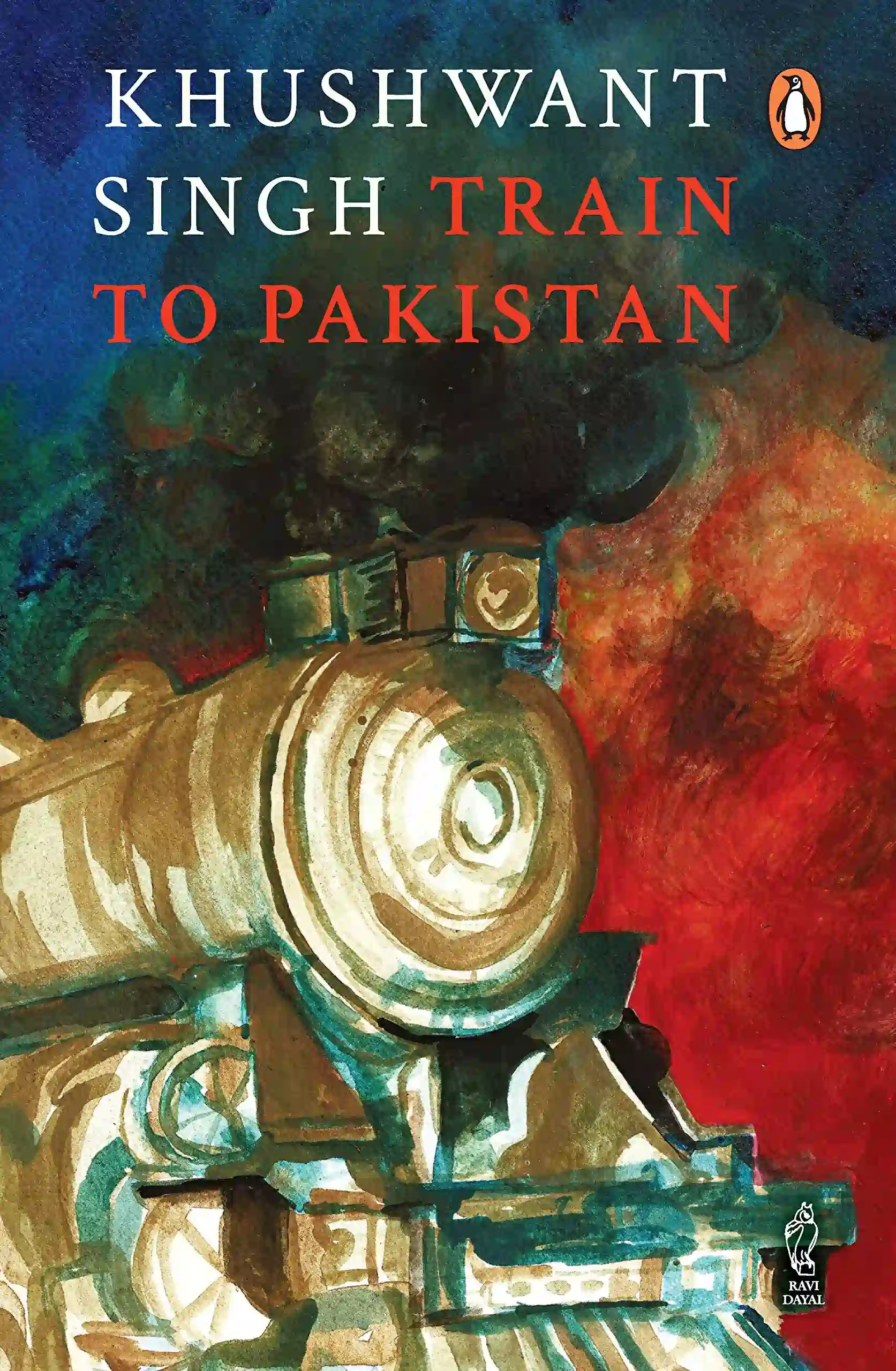
Published in 1956, Train to Pakistan was Singh’s literary breakthrough. This Partition novel captured the horrors, pain, and resilience of ordinary people during India’s division. It remains a landmark in modern Indian literature.
Role as Editor and Columnist
Khushwant Singh went on to edit some of India’s most influential publications, including The Illustrated Weekly of India, National Herald, and Hindustan Times. His candid opinions made his columns popular among readers, though sometimes controversial among critics and politicians.
Books & Novels
Novels
- Delhi: A Novel (1990)
- The Company of Women (1999)
Non-Fiction Works
- The Fall of the Kingdom of the Punjab (1962)
- A History of the Sikhs (1963)
- Truth, Love & a Little Malice (2002, autobiography)
Short Stories
- The Mark of Vishnu and Other Stories (1950)
Essays and Columns
Singh’s essays and journalistic writings were later compiled in collections such as Not a Nice Man to Know. They highlighted his wit, sharp criticism, and social insights.
Writing Style & Recurring Themes
Satire, Wit, and Humor
Singh was known for his witty, satirical, and straightforward writing style. He used humor to expose social hypocrisies while making complex subjects engaging.
Exploration of Partition and Politics
Partition was a recurring theme in his works, particularly in Train to Pakistan. His political writings examined corruption, democracy, and communal tensions in India.
Treatment of Religion and Human Nature
Although deeply connected to Sikh identity, Singh was critical of religious orthodoxy. He explored the contradictions of faith, morality, and human behavior in his works.
Achievements & Recognition
National Awards
- Padma Bhushan (1974) – Returned in protest against Operation Blue Star.
- Padma Vibhushan (2007) – India’s second-highest civilian award.
International Acclaim
Singh’s works were translated into several languages and adapted into films, giving him a global readership and recognition.
Beyond Literature
Diplomat and Politician
Before entering full-time writing, Singh worked with the Ministry of External Affairs and served at the Indian High Commission in London. He later became a Member of Parliament in the Rajya Sabha from 1980 to 1986.
Public Intellectual and Secular Voice
Known for his secular outlook, Singh was an outspoken critic of religious fanaticism and censorship. His public commentary often sparked debate, but his courage to voice unpopular truths earned him respect.
Final Years and Legacy
Later Writings and Reflections
Even in his later years, Singh continued writing essays, columns, and reflections. His works carried wisdom, humor, and a philosophical approach to life and death.
Lasting Influence on Indian Literature
Khushwant Singh passed away on March 20, 2014. His fearless writing style and thought-provoking works continue to influence Indian literature, journalism, and public discourse.
Famous Quotes & Writing Philosophy
One of Singh’s most memorable quotes is:
“Death is not the greatest loss in life. The greatest loss is what dies inside us while we live.”
This line reflects his philosophy of embracing life fully, speaking fearlessly, and valuing integrity in both writing and living.
FAQs about Khushwant Singh
Q1. Who was Khushwant Singh?
Khushwant Singh was an Indian novelist, journalist, lawyer, and politician, best known for his novel Train to Pakistan.
Q2. What was Khushwant Singh’s writing style?
His style was witty, direct, and often satirical, focusing on Partition, politics, religion, and human nature.
Q3. Why did Khushwant Singh return the Padma Bhushan?
He returned the award in protest against the Indian Army’s Operation Blue Star in 1984.
Q4. What are some of Khushwant Singh’s most famous works?
Notable works include Train to Pakistan, Delhi: A Novel, and A History of the Sikhs.
Q5. Was Khushwant Singh involved in politics?
Yes, he was a member of the Rajya Sabha from 1980 to 1986.
Q6. When did Khushwant Singh pass away?
He passed away on March 20, 2014, but his writings continue to inspire generations.
Conclusion
Khushwant Singh was not only a writer but also a storyteller, humorist, and fearless commentator on Indian society. His works on Partition, politics, and human nature remain timeless. Through his wit and courage, Singh left behind a literary legacy that continues to resonate with readers around the world.